Built Around One Person: How Collectives Learn to Lead Without Their Founder
The Moment It Gets Real
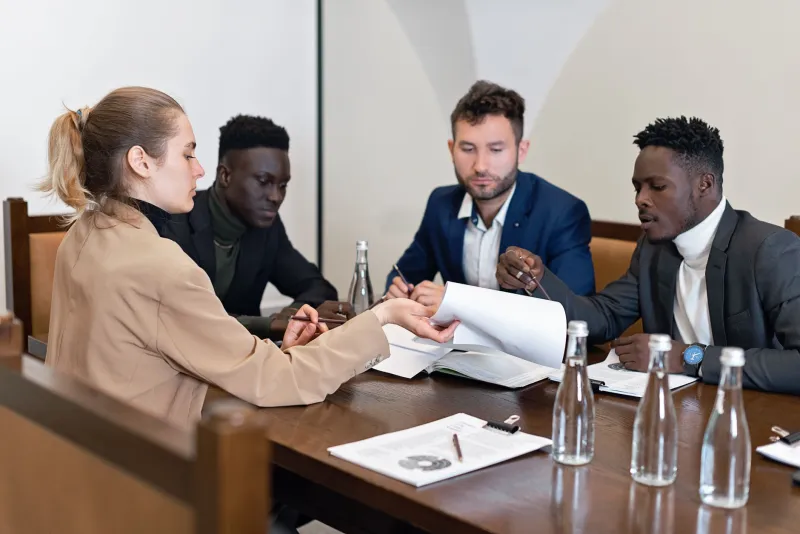
It usually doesn't announce itself dramatically. There's no blowup, no falling-out, no dramatic exit. Instead, it's a quiet conversation — maybe after a long meeting, maybe over coffee — where the person who built everything from scratch says something like, I've been thinking about pulling back a little. And suddenly the room feels different.
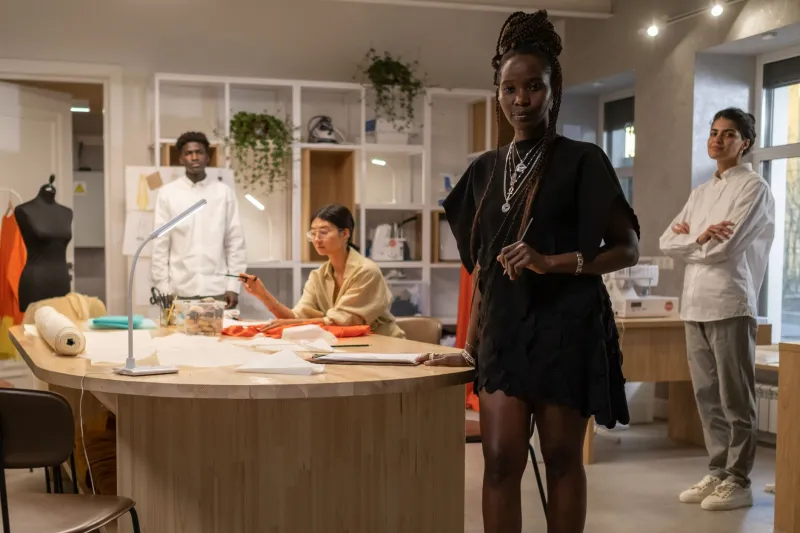
For a lot of artist collectives across the country, that moment is the first time they realize they've been running on borrowed infrastructure. The founder didn't just start the group — they became the group. Their contacts, their instincts, their memory of why certain decisions got made three years ago. When they float the idea of stepping back, even gently, the whole organization can feel like it's standing on one leg.
This isn't a story about bad founders or dependent members. It's a story about how collectives — even thriving, well-meaning ones — often forget to build the thing that outlasts the person who built everything else.
Why Founders Become Load-Bearing Walls
Here's what typically happens: someone with vision, energy, and a deep need to make something real pours themselves into building a collective from nothing. They're the one who sends the first emails, books the first venue, convinces the first skeptics. In the early days, their centrality isn't a design flaw — it's a survival strategy.
But groups grow. Structures calcify. And the founder's role, which was once just doing what needed to be done, slowly becomes the way things work around here. Other members learn to defer to them, not out of laziness but out of genuine respect. Why debate the direction when the person who started it has the clearest sense of where it's going?
The problem is that deference, over time, quietly hollows out everyone else's leadership capacity. Members who could be making calls, building relationships, and developing their own vision instead become skilled at executing someone else's. The collective gets good at a lot of things — but leading itself isn't one of them.
Distributed Leadership Isn't a Buzzword, It's a Survival Plan
Collectives that navigate founder transitions well tend to share one habit: they started building distributed leadership before they needed it. Not in a bureaucratic, org-chart way — but in the practical, unglamorous sense of making sure more than one person knows how to do the things that keep the group alive.
That means rotating who runs meetings, not just as a formality but as genuine practice in facilitation and decision-making. It means making sure more than one person has relationships with your key venue contacts, your grant program officers, your community partners. It means having someone other than the founder be the public face at events sometimes — even when the founder is right there and could easily do it.
None of this feels urgent when things are going well. That's exactly why it's worth doing now.
Getting the Knowledge Out of One Person's Head
One of the least glamorous but most essential tasks any collective can take on is institutional knowledge documentation. Basically: writing down all the stuff that currently only lives in the founder's memory.
This includes things like:
- Why certain decisions were made. Not just what the policy is, but the context that created it. Why does your collective have that particular rule about outside collaborators? What happened that made it necessary?
- Relationship histories. Who are your key contacts, and what's the backstory of those relationships? A name in a spreadsheet without context is almost useless to someone new.
- Unwritten norms. Every group has them — the things everyone just knows but nobody ever said out loud. Surface them. Write them down. Debate whether they still make sense.
- Financial logic. How did you arrive at your current pricing, your fee structures, your budget priorities? The reasoning matters as much as the numbers.
This kind of documentation project works best when it's framed as an act of care for the collective's future, not as a referendum on the founder's indispensability. Founders who approach it that way tend to find it genuinely meaningful — a chance to reflect on what they've built and hand it forward intentionally.
Separating the Legacy From the Future
Here's a tension worth naming honestly: founders often have complicated feelings about stepping back, even when they genuinely want to. Part of what makes it hard isn't logistics — it's identity. For many people, the collective is them, at least in their own interior life. Letting go of operational control can feel like letting go of something more personal.
And on the other side, members sometimes unconsciously resist building independent leadership because it feels disloyal — like they're preparing to move on from someone they love and respect.
The healthiest collectives find a way to honor a founder's legacy without making it a constraint on the group's evolution. That might look like:
- Creating a named role that acknowledges the founder's ongoing relationship with the group without giving them operational veto power — something like a founding advisor or emeritus member.
- Doing an explicit, collective conversation about which of the founder's values and approaches the group wants to carry forward, and which ones it might do differently. This isn't a betrayal — it's how organizations grow.
- Celebrating what was built, loudly and genuinely, as part of the transition rather than treating the whole thing like a problem to be quietly managed.
Try This Before You Need It
If your collective has a founder — or honestly, anyone whose absence would send the group into a tailspin — here's a low-stakes exercise worth trying at your next planning session.
Ask everyone to answer this question independently: If [person] had to take a six-month leave of absence starting next month, what would break, what would bend, and what would be totally fine?
Compare answers. The gaps between what people think would be fine and what would actually break are your roadmap. Not for removing that person — but for building the kind of organization where their eventual stepping-back feels like a graduation instead of a collapse.
The Collective That Outlasts You
Building something that can exist without you is, weirdly, one of the most generous things a founder can do. It's also one of the hardest — because it requires genuinely believing that the thing you built matters more than your role in it.
But that's the whole point, isn't it? The art, the community, the connections, the weird and beautiful thing your collective makes possible — none of that belongs to one person. It belongs to everyone who showed up, stayed, and kept making it real.
The best succession isn't a handoff. It's proof that what you built was always bigger than you.