Rules Aren't the Enemy: How Smart Collectives Keep Their People From Running on Empty
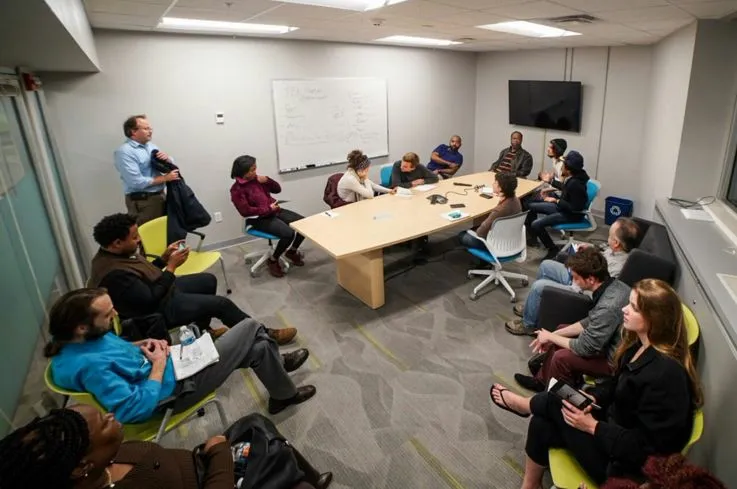
Photo: 1249Gene, CC BY-SA 4.0, via Wikimedia Commons
There's a story a lot of artist collectives know by heart. A group of passionate, talented people come together with big ideas and even bigger energy. For a while, it's electric. Everyone's pitching in, showing up late, giving everything they've got. And then, slowly, people start disappearing. The group chat goes quiet. Projects stall. The whole thing quietly unravels — not because the art stopped mattering, but because the people making it ran out of gas.
For years, the conventional wisdom was that burnout in creative communities was just the price of passion. You burn bright, you burn out. That's the deal.
But a growing number of collectives across the US are pushing back on that narrative — and what they've found is both counterintuitive and kind of revolutionary: structure doesn't kill the vibe. Lack of structure does.
The 'No Rules' Trap
When Denise Okafor co-founded a visual arts collective in Columbus, Ohio, she was determined to keep things loose. "We had this idea that if we just let creativity flow freely, people would stay energized," she says. "No formal roles, no set schedules, just pure collaboration."
Within eighteen months, half the founding members had stepped back. "Everyone was doing everything, which meant nobody really knew what they were responsible for. People would show up to meetings not sure what was expected of them, or they'd overcommit because they felt guilty saying no. It was exhausting."
Okafor's experience isn't unusual. The very ethos that draws people into creative collectives — freedom, flexibility, a rejection of corporate-style hierarchy — can paradoxically create the conditions for unsustainable overwork. When there are no clear lanes, everything becomes everyone's problem. And when everything is everyone's problem, the most committed members absorb the most pressure.
This is what some collective leaders are calling the "no rules" trap: the belief that structure is the enemy of creativity, when in reality, vague expectations and undefined roles create a kind of invisible labor that falls unevenly across the group.
What Healthy Intensity Actually Looks Like
Here's the distinction that's reshaping how forward-thinking collectives operate: there's a real difference between healthy creative intensity and unsustainable burnout, and the line between them has less to do with how much work people are doing and more to do with whether they feel in control of how they're spending their energy.
Marco Reyes runs a multidisciplinary collective in Austin that produces public installations, community workshops, and an annual street festival. His group has experimented with everything from flat structures to rotating leadership, and what they've landed on is something he calls "flexible accountability."
"We have clear roles, but they rotate. We have defined project scopes, but people get to opt in based on their bandwidth. The key is that nobody is ever guessing what's expected of them," Reyes explains. "When people know exactly what they're signing up for, they can actually show up fully — and they can also genuinely step back when they need to without feeling like they're letting everyone down."
The result? His collective has retained over 80% of its core members for more than three years — a remarkable number in a space where turnover is notoriously high.
The Counterintuitive Power of Saying No
One of the most consistent themes among collectives that have cracked the retention puzzle is a deliberate, almost radical, normalization of boundaries.
At a fiber arts and textile collective in Portland, Oregon, the founding members built a "capacity check" into every single project kickoff meeting. Before anyone commits to anything, the group goes around and each person rates their current bandwidth on a simple one-to-five scale — no explanation required.
"It sounds almost too simple," says collective member Tasha Brennan. "But it completely changed how we operate. People stopped over-promising. The guilt around saying 'I'm at a two right now' just evaporated because it became a normal part of how we talk to each other."
What's notable is that this kind of explicit permission to set limits didn't reduce output — it actually increased it. When people aren't white-knuckling their way through commitments they can't sustain, the work they do produce is sharper, more invested, and more joyful.
Structure as an Act of Care
It's worth reframing what structure even means in the context of a community arts organization. We're not talking about corporate org charts or rigid bureaucracy. We're talking about things like: clear project timelines, defined roles with real opt-in processes, regular check-ins that actually surface how people are doing, and explicit conversations about workload distribution.
Denise Okafor eventually rebuilt her Columbus collective around exactly these kinds of systems. "We started doing what we call 'honest audits' every quarter — just sitting down as a group and talking about what's working, what's draining people, and what we can let go of," she says. "It felt vulnerable at first. But now it's the thing that keeps us together."
The shift also required unlearning some deeply embedded myths about what creative communities are supposed to look like. The idea that passion should be enough — that if you really care about the work, you'll find a way to keep going — puts an unfair burden on individual members and ignores the very real material conditions of people's lives.
Artists have day jobs, families, health challenges, and financial pressures. A collective that doesn't account for those realities isn't being idealistic — it's being careless.
Keeping the Fire Without Burning the House Down
None of this means collectives need to become stiff or transactional. The magic of community creative work — the spontaneous late-night brainstorm, the project that evolves into something none of you planned, the genuine sense of making something together — doesn't have to disappear when you introduce some scaffolding.
In fact, most collective leaders who've implemented more intentional structures report that the creative energy in their groups actually increased once people weren't spending so much mental bandwidth on logistics, ambiguity, and anxiety about whether they were doing enough.
Marco Reyes puts it plainly: "The structure is what makes the freedom possible. When people trust the container, they can really play inside it."
For collectives just starting to think about this, the entry point doesn't have to be complicated. Start by naming roles explicitly. Build in regular, honest conversations about capacity. Make it genuinely okay — not just theoretically okay — for people to step back when they need to. And resist the temptation to treat burnout as a badge of honor or a sign of dedication.
The collectives that last aren't the ones where everyone gave until there was nothing left. They're the ones where people were taken care of well enough to keep showing up — not because they had to, but because they genuinely wanted to.
That's not a compromise of the creative vision. That's the whole point.