Three Doors Down: The Case for Making Art With the People Who Live Near You
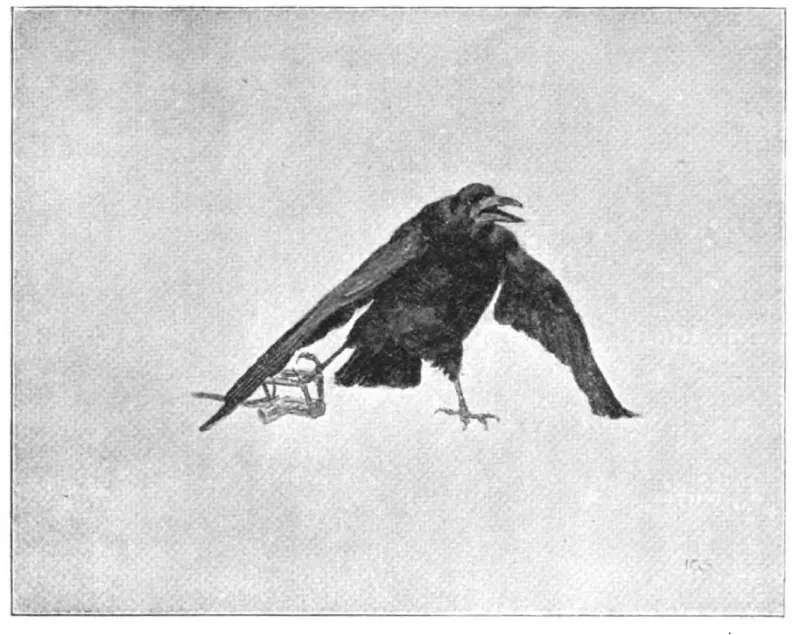
Photo: John George Sowerby, Public domain, via Wikimedia Commons
Somewhere along the way, we got convinced that creative opportunity lives somewhere else. In Los Angeles. In Brooklyn. In a Slack channel full of strangers who like the same obscure soundtrack composer you do. Meanwhile, the person who actually lives three houses down — the one with the half-finished canoe in the driveway and a lifetime of stories — hasn't heard a single one of your songs.
We think that's a problem worth fixing.
The Algorithm Can't Introduce You to Your Neighbor
Here's the thing about the internet: it's brilliant at connecting you with people who are already like you, and terrible at connecting you with people who are merely nearby. Your feed serves up a guitarist in Lisbon who shares your taste. Your block serves up a retired music teacher, a teenager with a 3D printer, and a woman who's been welding sculptures out of scrap for twenty years that nobody outside the neighborhood has ever seen.
Which group is more likely to make something you couldn't have made alone?
We'd bet on the block. Not because proximity equals talent, but because proximity equals frictionlessness. The Lisbon guitarist can't help you hang a show in the laundromat on Friday. The welding neighbor can, and she's got a truck.
What Hyperlocal Collaboration Actually Looks Like
We've watched this play out in communities across the country, and the pattern is remarkably consistent:
- A porch becomes a venue. One homeowner hosts, three neighbors play, forty people show up with folding chairs. Suddenly you've got a music series with zero rent and infinite goodwill.
- A garage becomes a workshop. Shared tools, shared mess, shared projects. The woodworker teaches the college kid; the college kid teaches the woodworker about laser cutters.
- A group chat becomes a gallery. Somebody photographs everyone's work, somebody else knows the coffee shop owner, and before long there's a rotating exhibit on a wall that used to hold advertisements.
None of this requires grants, permits, or a nonprofit status. It requires one person deciding that the people within walking distance are worth making things with.
The Suburb Myth (and the Apartment Building Reality)
A quick word for folks who think this only works in walkable neighborhoods with front porches. Some of the best micro-collaborations we've heard about happened in apartment buildings and suburban cul-de-sacs — places people wrongly assume are socially dead.
The apartment building is basically a vertical artist collective that hasn't been organized yet. You've got dozens of households stacked on top of each other, a shared lobby, a bulletin board, and a laundry room that could double as a zine library. The suburb has garages, backyards, basements, and — critically — people who are quietly starved for connection.
The barrier in both cases isn't space. It's the awkward first move.
Your First Three Moves
If you're convinced but stuck, here's the playbook we recommend:
1. Start with something absurdly small. Not a festival. Not a mural. A potluck where people bring something they made — anything. A casserole counts. A poem counts. Lower the stakes until nobody can say no.
2. Use what's already there. Every neighborhood has underused infrastructure: community rooms, church halls, library meeting spaces, someone's oversized backyard. You don't need to build a venue. You need to ask.
3. Let the weirdness stay weird. The magic of neighborhood collaboration is that it's not curated. The retired accountant who does watercolors of drainage ditches belongs at the table next to the MC. Resist the urge to make it "professional." Professional is what everyone else is doing.
Why This Matters More Than Ever
There's a loneliness epidemic narrative running through American life right now, and it's mostly accurate. But here's the part that gets less airtime: making things together is one of the few reliable antidotes. Not making things adjacent to each other, not networking — actually building something where your contribution is missed when you're gone.
The neighborhood is where that's still possible at human scale. No application process, no algorithm deciding who sees your work, no commute. Just people, a shared patch of ground, and whatever you decide to make on it.
The most underrated creative partner in America is probably within 300 feet of you right now. Go knock on a door.