When Your Creative Process Doesn't Speak My Language: The Messy Magic of Cross-Discipline Collaboration
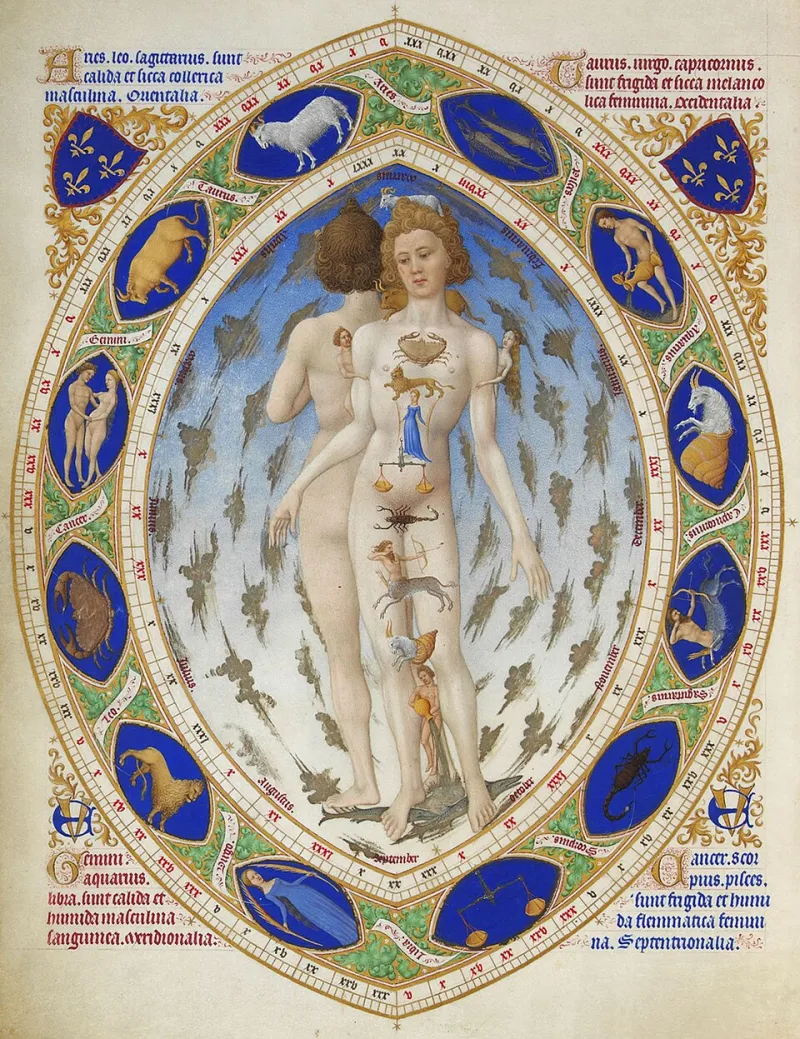
Photo: Limbourg brothers, Public domain, via Wikimedia Commons
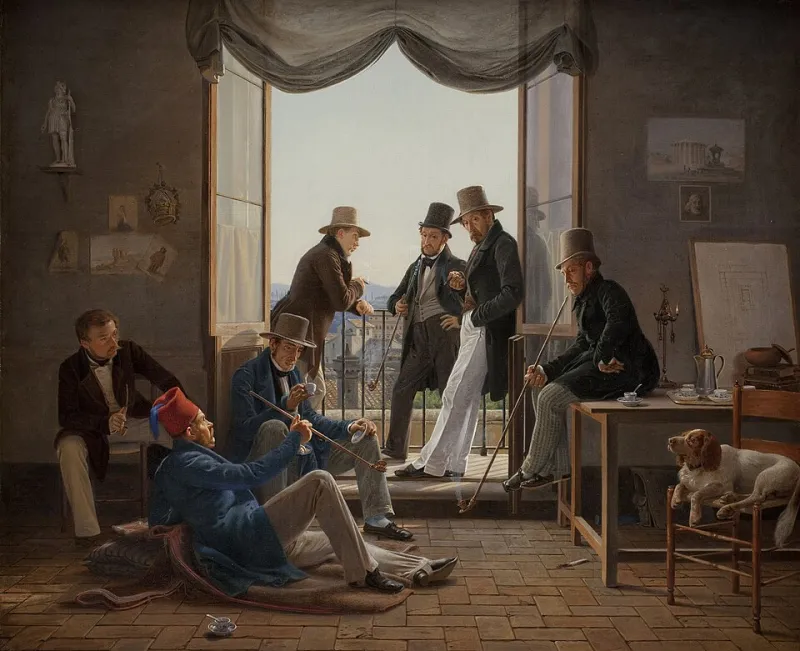
Let's be honest about something: collaboration across creative disciplines is not always a beautiful, harmonious thing. Sometimes it's two people staring at each other across a table, one of them saying "but what does it feel like?" and the other one saying "I need the parameters before I can answer that" and neither of them quite understanding why the conversation has broken down.
And then, sometimes, something happens.
Something neither of them could have made alone. Something that doesn't quite fit any existing category. Something that makes both of them rethink what their own practice is even for.
This is the strange territory that community arts collectives are increasingly exploring — not just bringing different artists together, but deliberately throwing people from radically different disciplines into the same creative space and seeing what survives the friction.
The Translation Problem
Every creative discipline has its own internal language. Dancers talk about the body in space, about weight and intention and the relationship between movement and breath. Software developers talk about systems, about inputs and outputs, about what happens when one variable changes. These aren't just different vocabularies — they're different ways of understanding how creative decisions get made.
When a choreographer and a developer start working together, the first few weeks are often less about making something and more about building a shared dictionary from scratch. What does "responsive" mean to each of them? What counts as a mistake? How do you iterate? How do you know when something is done?
These conversations are uncomfortable in the best possible way. They force both collaborators to articulate things about their own process that they've never had to put into words before — things that were so obvious within their own discipline that they never needed explaining. Suddenly, nothing is obvious. Everything has to be said out loud.
For collectives that create space for this kind of slow, foundational conversation, the payoff can be enormous. But it requires patience that not every project timeline can accommodate.
The Friction Is the Feature
Here's what a lot of well-meaning calls for interdisciplinary collaboration get wrong: they treat the friction as a problem to be managed, rather than as the actual source of creative energy.
Collectives that have done this successfully — groups that have produced genuinely new kinds of work by mixing disciplines — tend to share one characteristic: they don't rush to resolve the tension. They let it sit. They let people be confused and a little frustrated. They trust that the discomfort is doing something.
Consider what happens when a novelist gets embedded in a video game design team. The novelist's instincts are about interiority, about the slow accumulation of meaning, about the way a single detail can reframe everything that came before it. The designers are thinking about systems, about player agency, about the way decisions branch and intersect. At first, these feel like opposing forces. The novelist wants to control the reader's experience; the designers want to give the player freedom.
But that opposition, if you don't paper over it too quickly, can generate something new: a game that is genuinely literary in the way it uses detail and interiority, while still honoring the player's autonomy. Neither the novelist nor the designers could have gotten there alone. They got there by refusing to let either set of instincts fully win.
Learning to See Through Someone Else's Eyes
One of the things that makes cross-discipline collaboration so disorienting — and so valuable — is that it forces you to become a student again. A working professional in any creative field has spent years building expertise and intuition. Suddenly being in a room where your expertise doesn't fully apply is humbling in a way that's hard to overstate.
But that humility is a gift. It loosens the grip of habit. It makes you look at your own practice from the outside, often for the first time in years.
Musicians who have collaborated with visual artists frequently report that the experience changes the way they hear their own work. They start thinking spatially — where does this sound live in a room? What does it look like? Painters who have worked with composers start thinking about duration and movement in ways that alter how they approach a canvas. The collaboration doesn't just produce a single project; it leaves a residue that changes how each person works afterward.
This is the long-tail value of cross-discipline collaboration that rarely gets talked about. The project itself might be the visible output, but the real transformation is what happens inside each collaborator's practice over the months and years that follow.
The Aesthetics of the In-Between
Something interesting happens to genre when disciplines collide: the resulting work often doesn't fit neatly into any existing category, and that's actually where its power lives.
A piece that is simultaneously a data visualization and a live dance performance doesn't fit in a gallery or on a stage or in a tech demo — it kind of belongs in all three places and none of them. This in-between status can be commercially awkward (where do you present it? who reviews it? how do you fund the next one?), but it's also aesthetically exciting in a way that squarely genre-appropriate work often isn't.
Community collectives have a particular advantage here, because they're not usually beholden to the market pressures that push commercial work toward legibility and category-fitness. They can afford to make things that don't have an obvious home. In fact, making things that don't have an obvious home might be one of the most important things they do.
Making Space for the Collision
If you're part of a collective thinking about building more cross-discipline collaboration into your practice, a few things seem to matter more than almost anything else.
Time is the big one. Cross-discipline projects almost always take longer than single-discipline work, especially in the early phases. Building in time for the translation work — for the slow building of shared language — isn't a luxury. It's a requirement.
Structured reflection helps too. Some collectives build in regular check-ins where collaborators explicitly talk about the process rather than just the product: what's working, what's confusing, what assumptions are getting in the way. This kind of meta-conversation can feel awkward at first, but it tends to surface problems before they become crises.
And perhaps most importantly: be willing to not know what you're making for a while. The temptation to resolve ambiguity early — to define the project, nail down the format, settle on the output — is strong. Resist it. The best cross-discipline work often only becomes legible once it's nearly done.
The collision is the point. Let it happen.